Local SEO is one of the most reliable ways for a service business to win the right kind of enquiries — from people nearby who are already looking for what you do. This guide covers what local SEO is, why it matters, how to tell if you need it, and a practical checklist you can work through. You do not need a marketing team to start; you do need a clear plan.
What is local SEO?
Local SEO is a set of practices that help your website and business profile show up when someone searches with local intent — for example, “web design Swansea“, “electrician in Bristol”, or “SEO agency in Swansea“.
It uses many of the same building blocks as general SEO (a solid website, useful content, reviews, links), but with a clear focus on the places you actually serve.
The key difference:
- General SEO aims to rank for your services and topics, wherever the searcher is.
- Local SEO aims to rank for those services in the areas you cover — and to appear in Google’s local results, not only the blue links.
What the Google map pack shows
When someone searches with local intent, Google often shows a map and three business listings above or alongside the normal results. That block is usually called the local pack or map pack.
A typical listing can include:
- Business name
- Categories and short description
- Website and phone number
- Location and hours
- Star rating and review count
- Photos
Most of that information comes from your Google Business Profile (what used to be called Google My Business). Getting that profile claimed, accurate and complete is the foundation of local SEO.
A worked example: wedding photographer Swansea
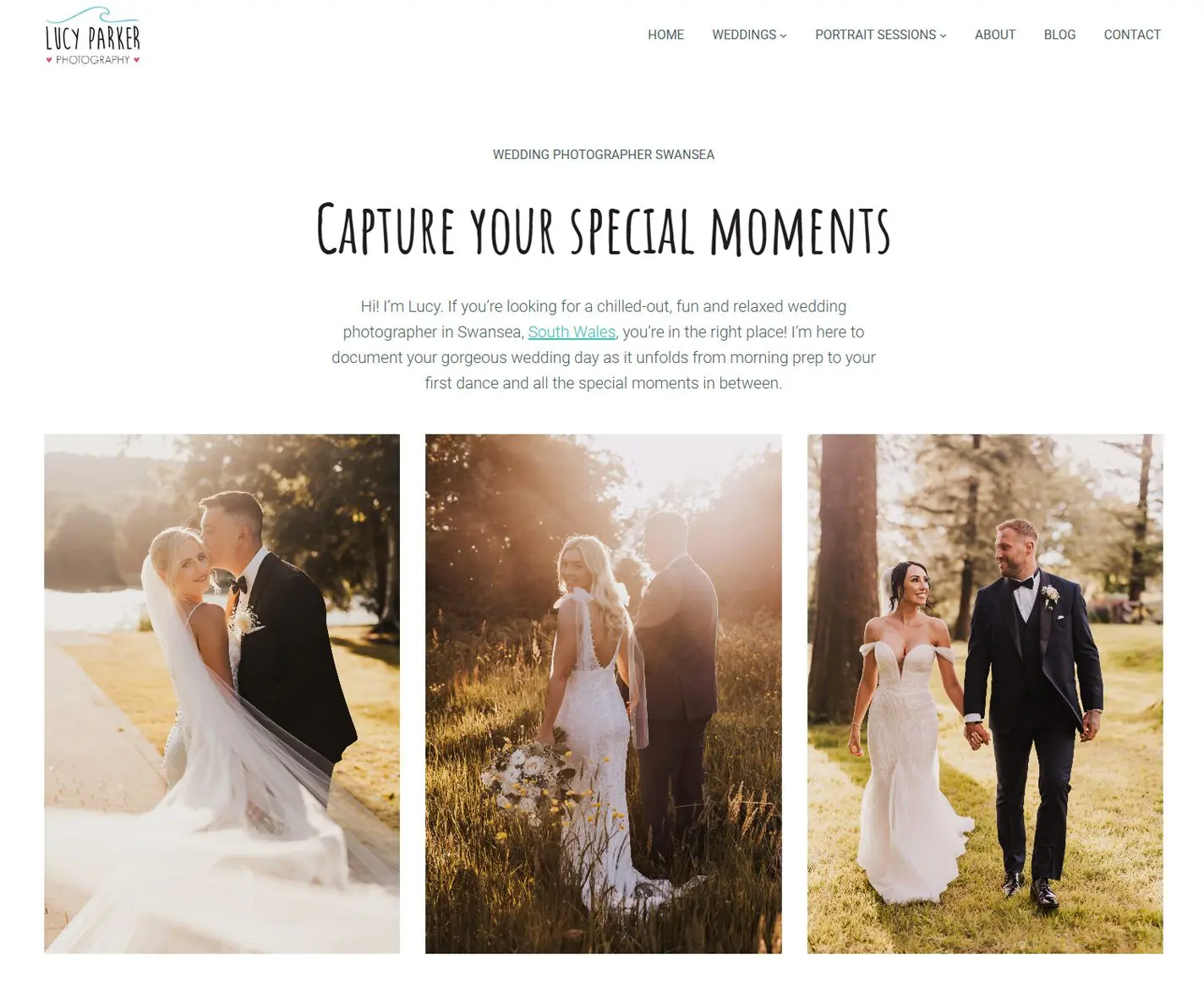
Take a search like “wedding photographer Swansea” — the kind of query Lucy Parker Photography cares about. Google usually offers three ways into the answer:
- Business listings — trade or directory-style results.
- The map pack — nearby photographers with ratings, distance, and a route to call or visit the profile.
- Organic results — website pages that best match the search.
Local SEO is about showing up in as many of those places as you sensibly can: a strong Google Business Profile, consistent citations, and website pages that clearly match the service and area.
Why local SEO matters for service businesses
If you serve customers in a town, city or region, people searching with your service + place are often ready to enquire. Showing up there builds awareness in the right pool, against fewer competitors than a national keyword, and tends to bring more qualified leads than broad traffic.
It also compounds. Ads stop when you stop spending; useful local pages and a well-kept profile can keep winning enquiries for months. The best setup usually runs SEO alongside ads, not instead of them — especially while you are still building rankings.
For a busy owner without a marketing team, that is the appeal: a finite checklist that improves calls, enquiries and visits over time, rather than another channel that only works while the budget is on.
Do you need local SEO?
If you compete for customers in a defined area, you almost certainly do. These signs make it urgent:
- You do not rank on page one for your main service + location searches, or competitors outrank you there.
- Organic traffic has dipped and you have lost ground on local terms.
- Your site gets visits that bounce quickly — often a sign the wrong audience is landing, or the page does not match local intent.
Local SEO checklist
Use this as a working order. You can do much of it yourself; if you would rather hand it over, our local SEO service covers profile, pages, reviews and reporting.
1. Know who you serve and where
Be clear on the services you sell and the postcodes, towns or travel time you actually cover. A plumber covering Swansea and Neath does not need to chase rankings in Cardiff. Write for the people who buy from you — trades, clinics, solicitors, home services — not generic “near me” retail examples.
2. Google Business Profile
Claim and verify the profile, then keep it accurate:
- Correct name, address (or service-area settings), phone and website
- Primary and secondary categories that match what you sell
- Services list with clear descriptions
- 10+ real photos (team, work, premises if you have one)
- Regular posts, and answers in Q&A
- Check Insights for calls, direction requests and website clicks
3. Reviews
Ask happy customers for Google reviews and reply to every one — positive and negative — promptly and professionally. Ratings and recent review activity influence both trust and local pack visibility.
4. NAP consistency and citations
Your Name, Address and Phone number should match everywhere they appear: website footer, Google profile, directories and social profiles. List the business on the main local directories that matter in your market, and fix anything that is out of date.
5. Local keywords
Build pages around how people search: service + place (“solicitor Swansea”), and longer phrases that match real jobs (“commercial solicitor for small businesses in Swansea”). One clear topic per page beats stuffing every town onto the homepage.
6. Location and service pages
If you serve more than one area, dedicated pages for the main towns or services help Google and users. Keep them specific — real proof, local detail, a clear next step — not copied boilerplates. Our SEO in Swansea page is an example of that approach for one market.
7. Useful content for locals
Publish pages and posts that answer real local questions, show your experience, and include testimonials from nearby customers. Original, helpful content supports E-E-A-T and gives other sites something worth linking to.
8. Local links and PR
Links from relevant local sites — chambers, partners, sponsors, local press — still help. Earn them with useful content and real community involvement, not directory spam. More on that in small business link building.
9. Website basics
Local SEO still needs a site people can use: fast on mobile, clear navigation, HTTPS, and accurate contact details. Add LocalBusiness (or the right subtype) schema for name, address, phone and opening hours where it fits.
10. Check competitors
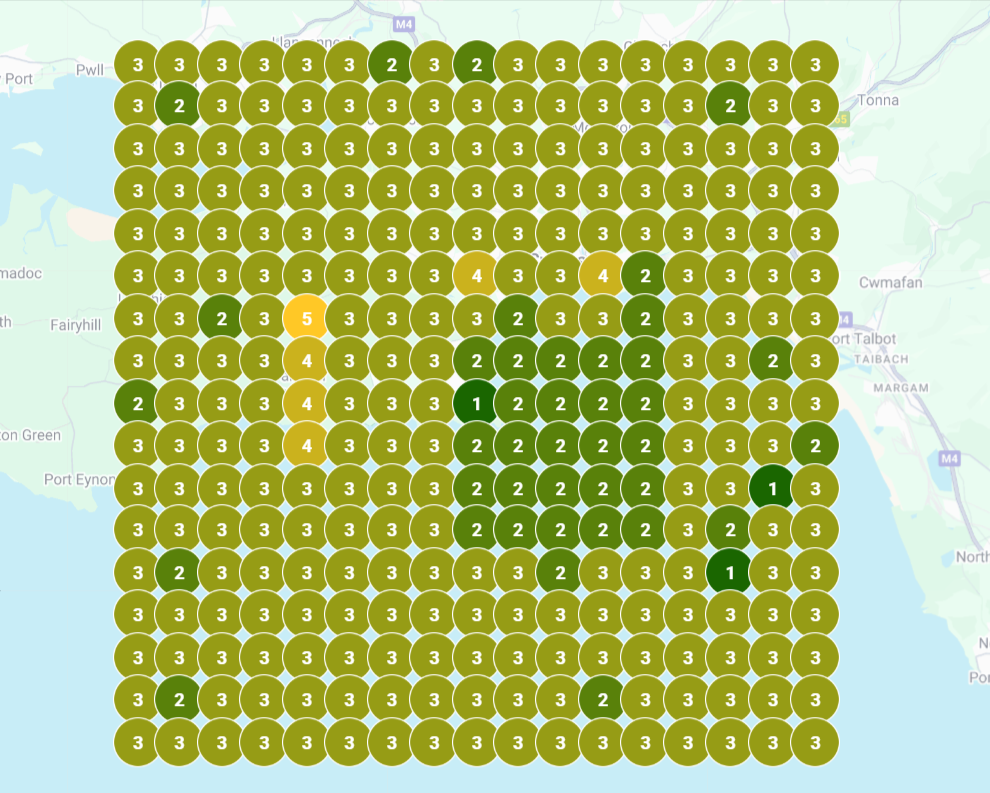
Look at who sits in the map pack and on page one for your main terms. Note their Google profile completeness, review volume, service pages and local content — then close the gaps you can control.
Voice and AI search
More searches are conversational (“who is a good accountant near me in Swansea?”). Lead with a plain answer, then add short supporting points. FAQ-style sections and clear headings help both people and AI overviews.
Measuring success
Track a small set of numbers monthly:
- Calls, direction requests and website clicks in Google Business Profile Insights
- Rankings for your main service + location terms
- Organic enquiries and form fills from local landing pages
- Review count and average rating
Search Console and analytics show which local queries and pages bring traffic; GBP Insights show the actions that turn visibility into conversations.
The final word
Local SEO rewards clarity: the right areas, a complete Google Business Profile, consistent details, useful pages, and reviews you respond to. Done steadily, it raises visibility where it counts and brings enquiries from people ready to buy.
Based in or near Swansea? See how we help local firms on SEO in Swansea, or get in touch for a quick, no-pressure review of your local visibility.