You’re not stuck with slow tickets and a site that stopped earning. A lot of service business owners stay with an agency longer than they should because switching feels like starting from zero: new brief, new delays, another big project, another risk of being forgotten after launch.
This page covers the signs the partnership has gone quiet, how a monthly website partnership differs from a traditional agency, when a rebuild is the right call versus an expensive habit, and how a Brandspace handover works without taking over your diary.
Signs the site (and partnership) has gone stale
A website can look fine in a screenshot and still stop earning. These are the patterns we see most often after a strong build followed by a quiet year:
- No new pages or offers since launch — services evolved, the site still tells last year’s story.
- Updates sit in a ticket queue or cost extra every time — you stop asking, and the site freezes.
- Messaging and CTAs no longer match how you sell — offline conversations are sharper than the homepage.
- You wouldn’t send a high-ticket prospect there with confidence — you hesitate before sharing the link.
- Competitors keep shipping improvements and you don’t — they look actively managed; you look finished.
- Enquiries are flatter, thinner, or the wrong fit — traffic that doesn’t turn into booked work.
One or two of these can already be costing you. Three or more usually means the site is still running on a finished-project model while the business has moved on.
Why owners switch
Launch-day energy fades. No new pages, no push for better enquiry paths. Simple changes sit in a queue or attract an hourly quote. Nobody owns the commercial outcome after go-live. Strong attention during the build is common; ongoing care is rarer. Owners who feel in the dark start looking for a partner who still shows up.
Traditional agency vs monthly partnership
Most service businesses want the same outcome: a site that brings in the right enquiries and still works six months after launch. The operating model is where the paths split.
- Upfront cost: traditional projects often start with a large build fee; a monthly partnership puts design, hosting, and ongoing work inside a clear subscription.
- After launch: traditional support often moves onto care plans and tickets; on Brandspace, launch is the start of the relationship.
- Updates: care plans ration changes or bill extras by the hour; update time sits inside Website as a Service, which Growth and PRO include with a full website.
- Support: shared queues vs direct access to Matt and the team.
- Commercial ownership: project handoff vs marketer-led priorities before and after launch.
- Risk: you fund a big build either way; the monthly model keeps Brandspace invested while the partnership is delivering.
A traditional project can still make sense for a one-off brand exercise with no need for ongoing change. Most high-ticket service businesses need the opposite: a live site that keeps pace.
Rebuild or keep evolving?
Rebuilds feel productive. Most of the commercial damage happened in the quiet years after the last launch.
A rebuild or substantial rework of the core pages is the right call when the structure can’t explain the offer, the brand has moved far enough that the old look undermines trust, the technology is slow or painful to change, or you’re coming off a brochure that was never built to win work.
It’s an expensive habit when the last agency did a strong build, then went quiet, and the only lever on offer a few years later is another rebuild. A new skin on the same brochure, followed by another silent year, repeats the cycle.
A Brandspace website management service funds the opposite pattern: core pages live first, then monthly improvement — updates, refinements, and new pages on Growth and PRO. See what happens in the first 90 days and marketing-led web design for how that system fits together.
How a handover works with Brandspace
1. Quick discovery
We learn how you sell, who you want to attract, and what’s failing on the current site. You shouldn’t need to write a novel brief.
2. Core pages first
We get a conversion-focused core site live without waiting for every future page to be perfect. Typical multi-page builds land around three weeks, depending on scope and feedback speed.
3. Domains, hosting, and access
We handle the technical move into managed hosting as part of the plan. You keep ownership of the domain. After the initial term, the site is fully yours — more on that in do you own a subscription website.
4. Monthly improvement from day one
Launch is the start of the website management service. Check-ins, updates, refinements, and new pages on the right plan keep the site moving with the business.
Ecommerce rebuilds are outside our scope. We work with service businesses and professional services only.
What stays yours
Your brand, your domain, and, after the initial term, the website itself. You can upgrade anytime. You can also move to a lighter hosting and maintenance setup later if you want less active partnership.
Proof from service businesses
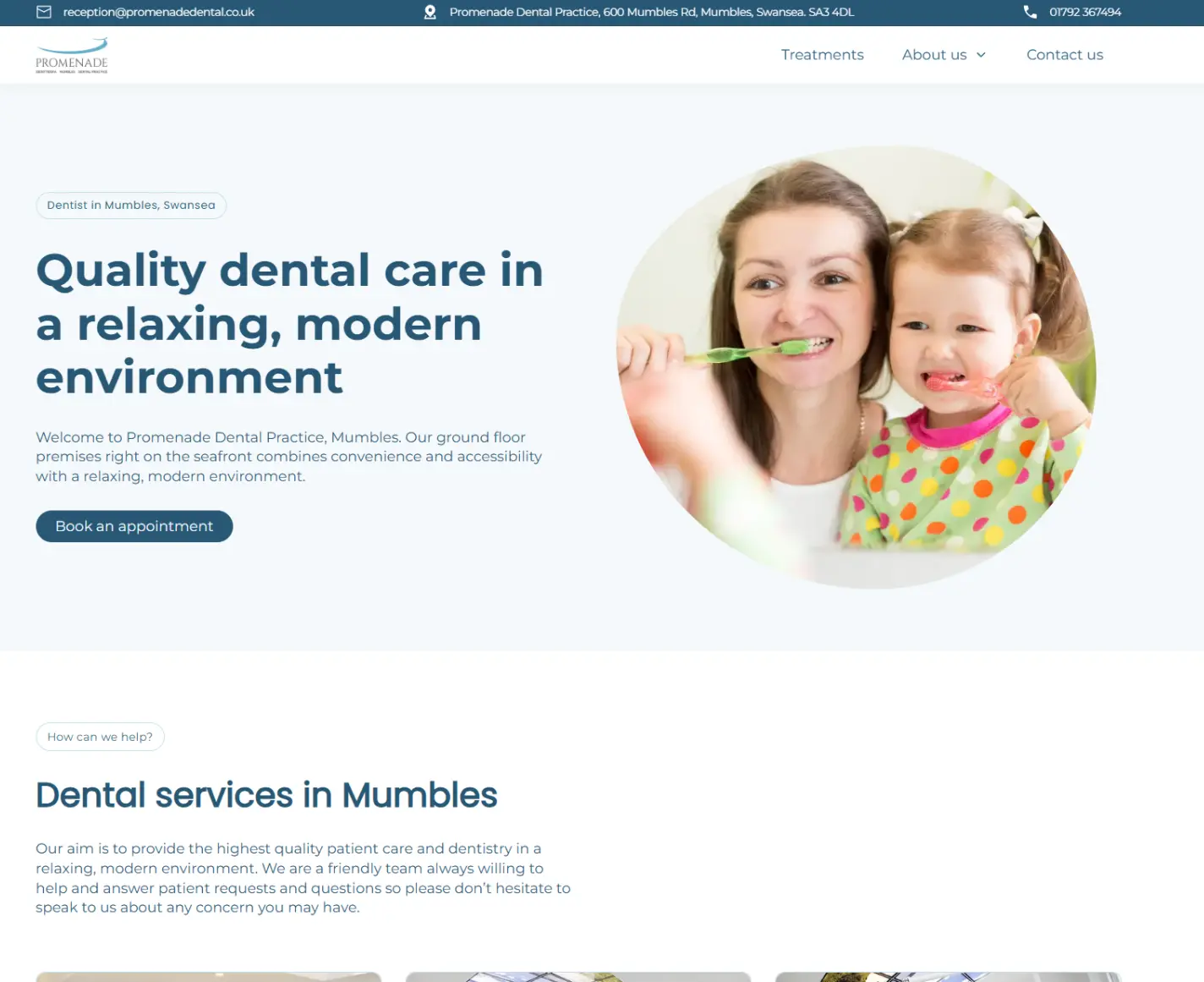
“We’ve worked with Matt and the Brandspace team for over a year now. The initial redesign of the website delivered everything we needed, and ongoing support and communication has been great.” — Yvie Powe, GCG Dental Practice
“Probably saved us hundreds of hours so far with researching and creating articles, maintaining our website and building landing pages. Quick turnarounds, great communication and always committed to doing great work.” — Louis Halton Davies, Web Marketer
Browse more on our work page.
We’re based in Swansea and work with service businesses across South Wales and beyond. Local readers can also see web design in Swansea.
FAQs
Will you rebuild from scratch?
Often we rebuild or substantially rework the core experience so the new site is conversion-focused. We use what’s still useful from your brand and content, and we don’t make you project-manage every step.
Can you improve my current site without a full rebuild?
Sometimes. Often a conversion-focused rework of the core pages is the cleaner path, then monthly improvement from there. We’ll tell you what makes sense after a quick look at the current site, your offers, and where enquiries are falling down.
What happens to SEO and rankings during a rebuild?
We plan redirects and keep useful URLs where we can. Rankings can still move when you change a site. Search belongs in the rebuild from day one, with an SEO package running alongside for off-site support when you want more demand.
What happens to my domain and hosting?
You keep the domain. We move the site onto managed hosting as part of the plan and handle the technical side of the switch.
How long does handover take?
Core pages often go live within a few weeks. A typical multi-page build is around three weeks, depending on scope, asset readiness, and feedback speed. The first 90 days covers what happens after go-live.
Do I lose my site if I leave?
No. After the initial term, the site is fully yours. You can stay managed, upgrade, or move to a lighter hosting setup. Full ownership detail is on do you own a subscription website.
How much does it cost?
Websites start from £750 plus a monthly plan. The plan pays for hosting, updates, and ongoing improvement. Full details are on our website plans.
Do you take on ecommerce sites?
No. We focus on service businesses. If you need a shop, we’re not the right partner.
Book a free call
If your current agency was great until launch and quiet ever since, book a free call with Matt. We’ll talk through handover, ownership, and which plan fits — no pressure.